 .
. .
.

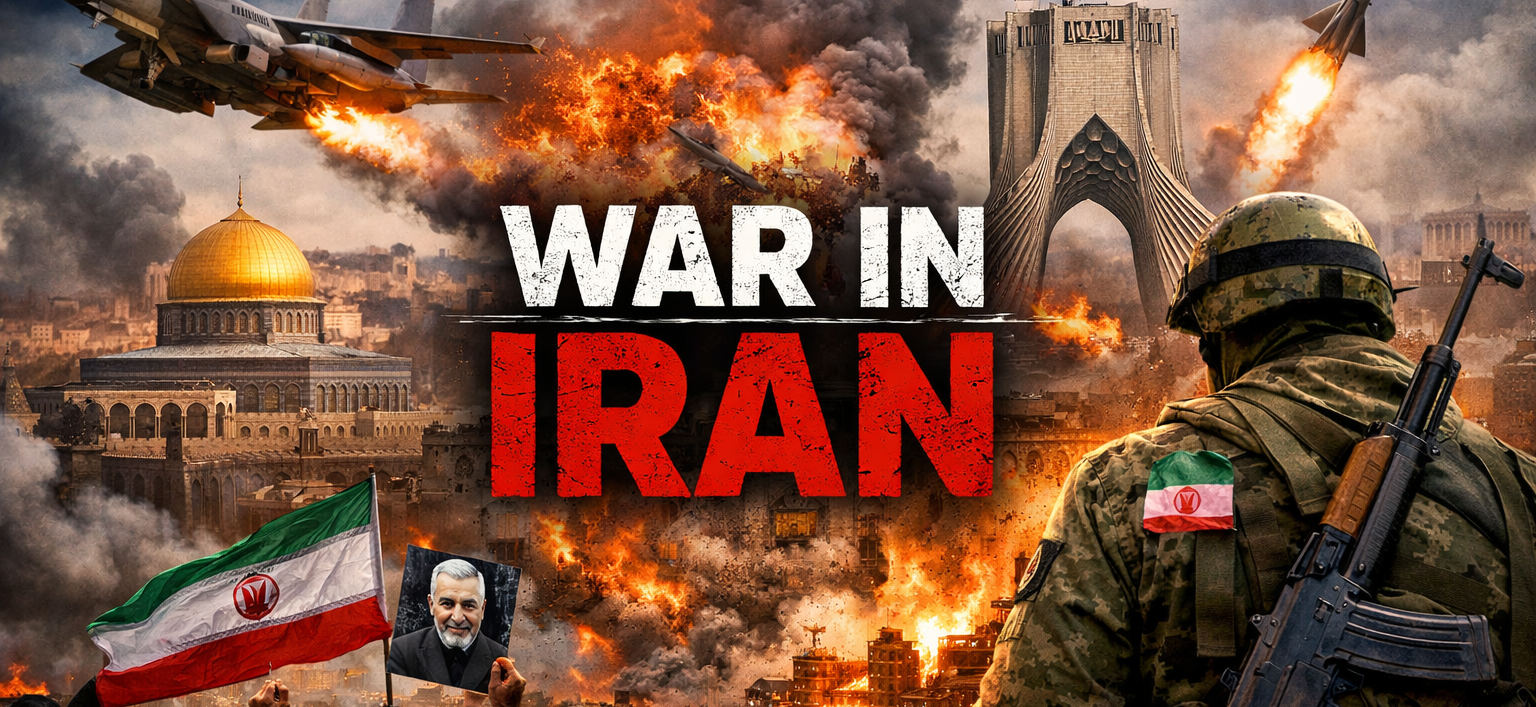
The Middle East has once again become the center of global attention as a major war involving Iran, Israel, and the United States continues to escalate. What began as targeted military strikes has quickly turned into a broader regional conflict with serious humanitarian, economic, and geopolitical consequences.
In this post, we’ll break down what started the war, what’s happening now, and why the entire world is watching closely.
How the War Started
The current conflict began on February 28, 2026, when the United States and Israel launched large-scale military strikes against Iran. The attacks targeted Iran’s missile systems, air defenses, military bases, and leadership. Within the first 12 hours, nearly 900 strikes were carried out across the country.
The operation aimed to weaken Iran’s military capabilities and disrupt its nuclear and ballistic missile programs. Years of tension over Iran’s nuclear ambitions, regional influence, and failed diplomatic negotiations had already pushed relations between Iran and Western allies to the breaking point.
The opening wave of attacks reportedly killed key Iranian leadership figures and damaged critical infrastructure, marking one of the most significant military escalations in the region in decades.
Iran’s Retaliation
Iran responded quickly and aggressively.
Following the strikes, Iran launched missile and drone attacks against Israel, U.S. bases, and allied countries across the Middle East. Some strikes targeted military facilities, while others hit infrastructure such as ports and oil facilities.
Several countries in the region have already experienced the spillover of the conflict. Iranian missiles and drones have been reported in places like:
- Bahrain
- Qatar
- Jordan
- Oman
These attacks have targeted U.S. military assets and energy infrastructure throughout the region.
Growing Casualties and Damage
As the war enters its second week, the humanitarian toll is rising.
Reports indicate over 1,200 people have died in Iran, including hundreds of women and children, while hundreds more have been killed or injured in surrounding countries affected by the fighting.
Major cities such as Tehran have experienced large explosions and fires after airstrikes targeted oil depots and military facilities. These attacks have caused massive fires and widespread damage to infrastructure.
Historic and cultural sites across the region have also been damaged, raising concerns about the loss of important heritage landmarks.
Risk of a Larger Regional War
One of the biggest concerns is that the conflict could expand even further.
Countries throughout the Middle East are closely monitoring the situation as missile strikes and drone attacks spread across borders. Global powers including China and European nations have called for an immediate ceasefire and warned that the situation could destabilize the world order if it continues to escalate.
Meanwhile, U.S. leadership has not ruled out sending ground troops into Iran if the conflict intensifies.
If additional countries become directly involved, the war could evolve into a much larger regional or even global conflict.
Global Impact
Even countries far from the Middle East are feeling the effects.
The war has already disrupted:
- Global oil markets
- International flights and shipping routes
- Trade through the Strait of Hormuz
- Energy prices worldwide
Because a significant portion of the world’s oil supply moves through this region, prolonged conflict could lead to rising fuel prices and economic instability worldwide.
What Happens Next?
At this point, the future of the conflict is uncertain. Both sides continue to exchange strikes, and diplomatic efforts to stop the war have so far been unsuccessful.
The key questions now are:
- Will the conflict expand to involve more countries?
- Can diplomatic negotiations bring the fighting to an end?
- How will the balance of power in the Middle East change after the war?
What is clear is that the situation remains extremely volatile, and the decisions made in the coming weeks could shape global politics for years to come.