 .
. .
.


Toronto police banning protests in North York residential area
Police are citing ‘changing security landscape in Toronto in recent weeks’ for ban at Bathurst and Sheppard
CBC News · Posted: Mar 24, 2026 11:07 AM EDT | Last Updated: March 24
Text to Speech Icon
Listen to this article
Estimated 3 minutes
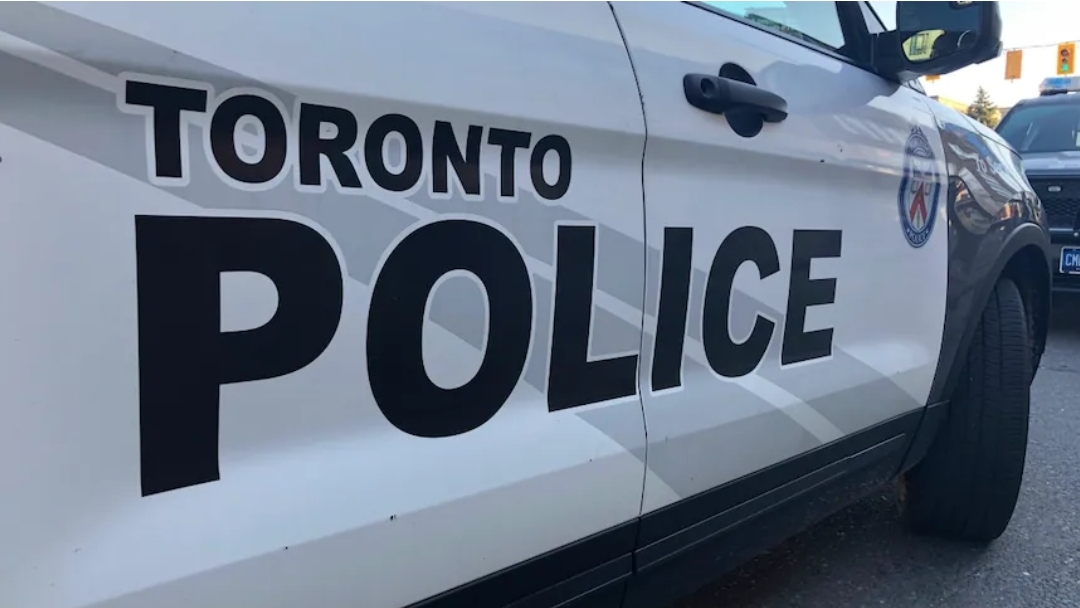
A police car.
Toronto police say ‘lawful demonstrations’ at the main intersection and streets around Bathurst Street and Sheppard Avenue W. will be allowed to continue, but protests in residential neighbourhoods are being banned. (Robert Krbavac/CBC)
Social Sharing
XEmailReddit Show More
Toronto police say they are banning protests in residential parts of a North York Jewish community that has seen regular demonstrations in recent years.
In a statement sent to CBC News, Toronto police spokesperson Stephanie Sayer said officers facilitate “lawful demonstrations” while also “balancing the rights of participants with the safety of the broader public.
“Due to the changing security landscape in Toronto in recent weeks, including increased volatility and heightened fear in our communities, demonstrations moving into residential neighbourhoods in the Bathurst and Sheppard area presents an unacceptable risk to public safety,” Sayer wrote.
“As a result, demonstrators will not be permitted to enter residential streets in this area.”
Sayer did not specify what has caused a change in Toronto’s “security landscape,” but members of the Jewish community have called on both government and residents to stand up against hate and antisemitism after three synagogues were hit by gunfire this month in the Greater Toronto Area.
Comment on articles, stay in the know with our newsletters and stream more on CBC Gem.
‘Shaken to our core’: Jewish community urges action against antisemitism after GTA synagogue shootings
Toronto police spent $19.5M on response to Israel-Gaza war protests last year: report
Sayer said “lawful demonstrations” at the main intersection and streets of the area are being allowed to continue.
“This is a targeted response to specific concerns and a measured step to reduce the risk of escalation and maintain public safety,” she said.
In a statement, the Canadian Civil Liberties Association (CCLA) said this move raises concerns about violations to Charter-protected rights, noting that the Criminal Code already contains several offences that address harassment and intimidation.
“Those laws exist precisely to protect public safety, and they can and should be enforced where necessary, including at protests,” said Anaïs Bussières McNicoll, Fundamental Freedoms Director at the CCLA. “What [Toronto police] is doing goes much further. It creates protest-free zones on specific public streets, where any pro-Palestinian protestor — regardless of how peacefully they express their message — can be arrested.”
“This attack on freedom of expression and freedom of peaceful assembly is wrong.”
Speaking at an unrelated news conference Tuesday afternoon, Deputy Chief Frank Barredo said officers on the ground in these locations will first tell people they cannot protest in residential areas, and will physically block them.
“And if they try to disobey that instruction they will be arrested and charged with [obstructing police],” he said.
Chief Supt. Katherine Stephenson told reporters at the same news conference that there have been about 20 arrests over the last several months linked to protests in the area.